



Final Verdict Expected by February 2 After High-Level Government Consultations
Islamabad: The Pakistan Cricket Board has postponed its final decision on participating in the ICC Men’s T20 World Cup 2026, with an announcement now expected either on Friday, January 31, or Monday, February 2. This development comes as the tournament’s opening match draws near, with Pakistan scheduled to face the Netherlands on February 7 in Colombo.
Government Consultation Underway
Following extensive discussions between cricket administrators and government officials, authorities have agreed to keep all strategic options available while working toward a resolution. The PCB Chairman briefed the Prime Minister on the ICC-related developments and the various paths available to Pakistan cricket.
The government has directed cricket officials to address the situation comprehensively while maintaining flexibility in their approach. Sources indicate that the final decision carries significant diplomatic and political implications beyond the sporting arena.
Multiple Strategic Options Under Review
Cricket insiders suggest that Pakistan is not limiting itself to a simple yes-or-no decision on tournament participation. Several scenarios are reportedly under consideration:
Complete Tournament Participation: Pakistan could proceed with all scheduled matches, playing exclusively in Sri Lanka as per the hybrid model agreement.
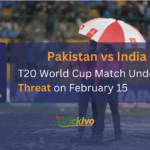
Selective Protest Action: Reports indicate Pakistan may consider boycotting specific fixtures, particularly the high-profile February 15 clash against India in Colombo, as a targeted response to recent ICC decisions.
Full Tournament Withdrawal: Though considered unlikely by most analysts, a complete boycott remains theoretically possible as Pakistan demonstrates solidarity with Bangladesh.
Bangladesh Exclusion Controversy
The controversy stems from the ICC’s decision to remove Bangladesh from the tournament after they refused to play their scheduled matches in India, citing security concerns. Bangladesh’s stance hardened following the Board of Control for Cricket in India’s directive to release their fast bowler from an IPL franchise squad amid deteriorating political relations between the two nations.
Pakistan emerged as the only cricket board to publicly support Bangladesh’s position at recent ICC meetings, calling for the same venue accommodation that Pakistan itself receives under the hybrid hosting model.
Squad Announcement Despite Uncertainty
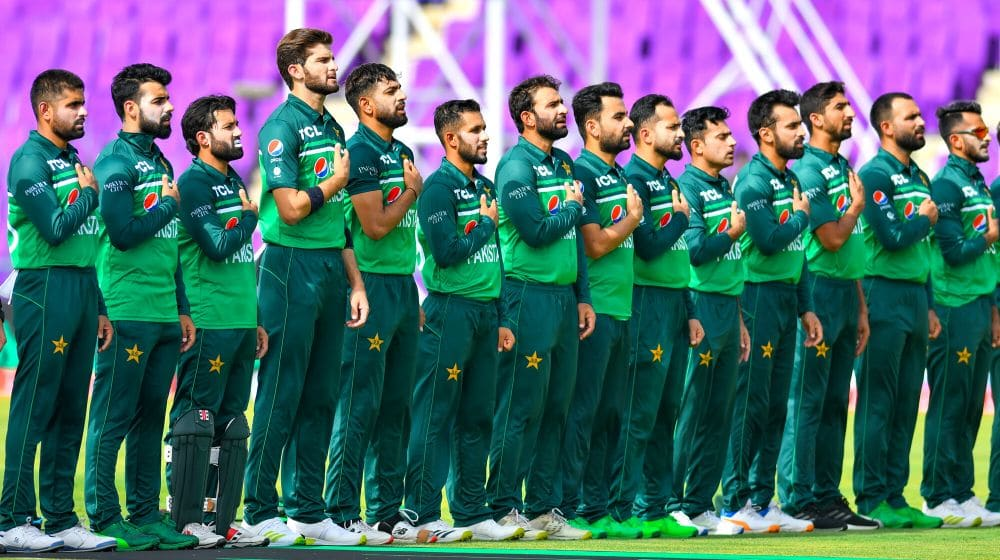
In an unusual move, Pakistan announced their 15-member T20 World Cup squad despite the ongoing uncertainty about participation. The selection panel included former captain Babar Azam’s return to the lineup, along with the comeback of spin-bowling all-rounder Shadab Khan and fast bowler Naseem Shah.
The chief selector acknowledged the peculiar timing, stating that while the team selection is complete, the government retains authority over participation decisions. The squad was announced close to the ICC deadline, reflecting the ongoing deliberations at higher levels.
Tournament Schedule and Implications
Pakistan’s Group A fixtures include matches against the Netherlands (February 7), the United States (February 10), India (February 15), and Namibia (February 18). All matches will be played in Sri Lanka under the existing bilateral agreement between the ICC, BCCI, and PCB.
The tight timeline adds pressure to the decision-making process. If Pakistan waits until February 2 to announce their stance, they would have just five days before their tournament opener—an exceptionally narrow window for final preparations.
ICC’s Position and Response
The ICC has been approached for comment regarding Pakistan’s deliberations but has not issued any public statement. The global cricket body previously rejected Bangladesh’s request for alternative venues, leading to their replacement by Scotland in the 20-team tournament.
Cricket analysts note that Pakistan’s position differs from Bangladesh’s in one crucial aspect: Pakistan is not scheduled to play any matches in India, which potentially weakens the grounds for a full boycott but strengthens the case for targeted protest actions.
Political and Diplomatic Dimensions
The involvement of top government officials underscores the broader implications of this decision. Pakistan’s stance on the T20 World Cup has evolved into a matter of diplomatic signaling and regional cricket politics, extending well beyond sporting considerations.
Industry observers suggest the government’s careful approach reflects an attempt to balance multiple interests: supporting Bangladesh on principle, maintaining Pakistan’s standing in international cricket, satisfying domestic public opinion, and avoiding financial penalties or reputational damage.
Financial Considerations
Any decision to boycott matches, particularly the India fixture, would have significant financial ramifications. India-Pakistan cricket encounters generate massive broadcasting revenues and commercial interest globally. The ICC stands to lose substantial income if the February 15 clash doesn’t proceed.
For Pakistan, the potential costs include lost revenue shares, possible ICC sanctions, and damage to the country’s cricket brand. However, sources suggest these financial considerations are being weighed against the perceived principle at stake.
What Happens Next?
Cricket stakeholders worldwide await Pakistan’s decision, which could set important precedents for how member boards respond to ICC governance decisions they consider unjust. The coming days will reveal whether Pakistan proceeds with full participation, adopts a middle-ground protest approach, or takes the dramatic step of withdrawing entirely.
The resolution of this issue will likely influence not just the T20 World Cup 2026 but also the broader dynamics of international cricket governance and the delicate balance between sporting, political, and commercial interests in the game.