




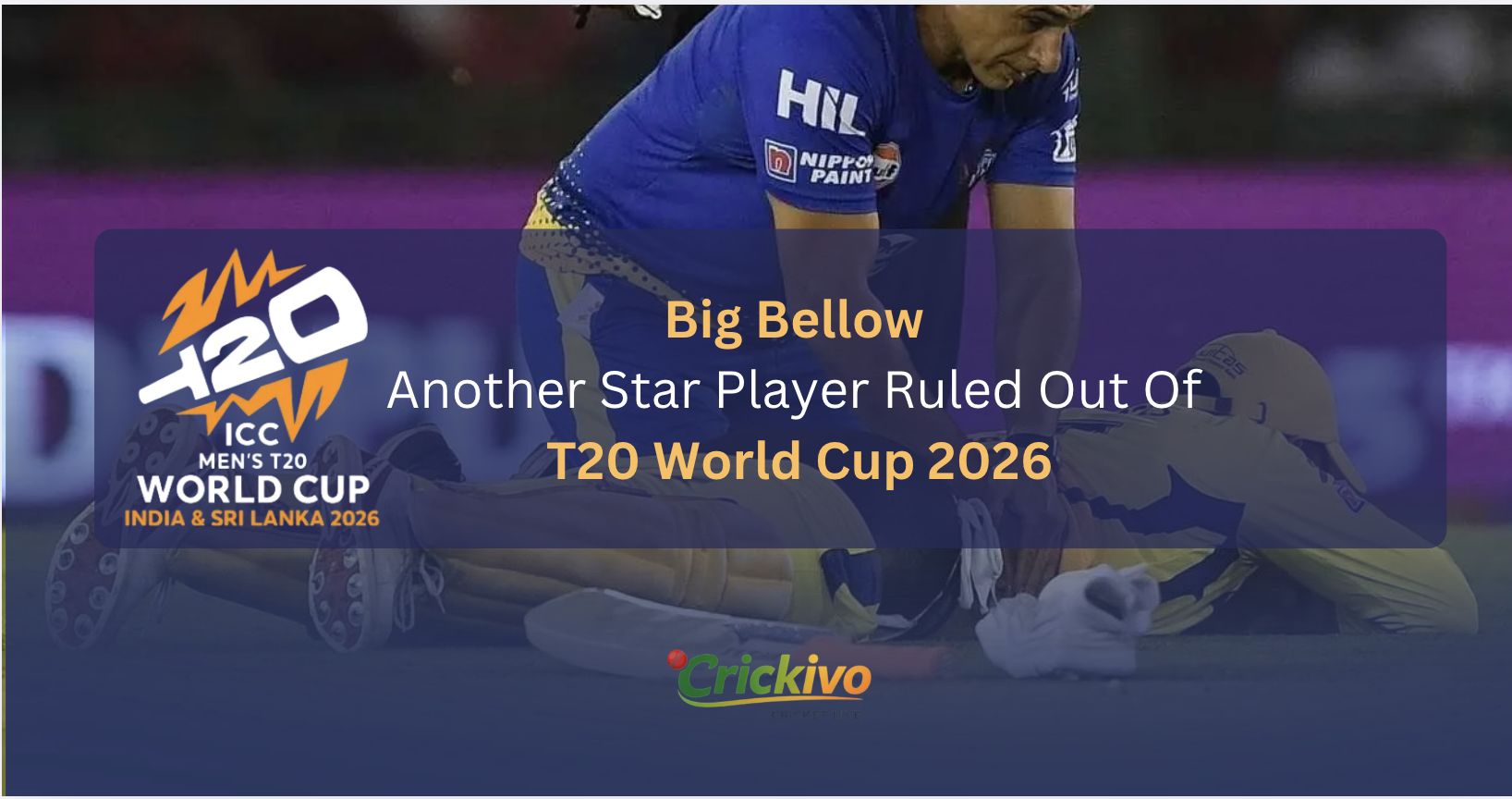
Star fast bowler misses tournament entirely due to hamstring and Achilles injuries as defending champions face mounting setbacks
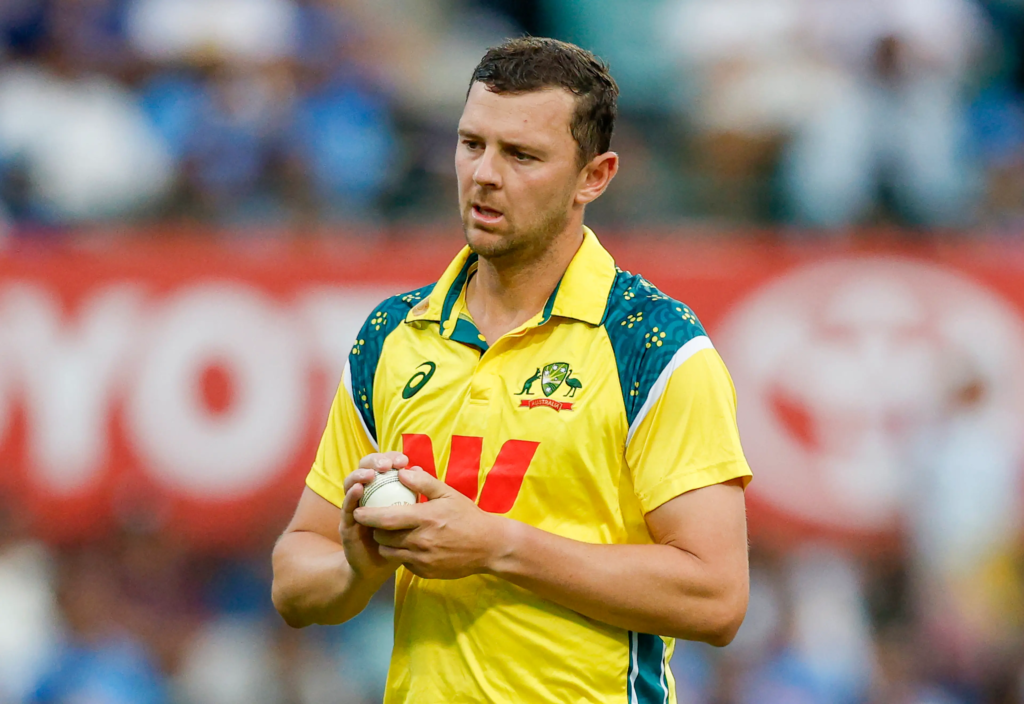
In a devastating blow to Australia’s T20 World Cup 2026 campaign, star fast bowler Josh Hazlewood has been officially ruled out of the entire tournament after failing to recover from persistent hamstring and Achilles injuries. The decision comes just one day before the tournament begins, leaving the defending champions scrambling to adjust their bowling plans.
Hazlewood Runs Out of Time for Recovery
Cricket Australia confirmed on Friday that the 35-year-old pace ace will not participate in any stage of the T20 World Cup, which begins on Saturday across India and Sri Lanka. The announcement represents a significant escalation from earlier in the week when officials had indicated Hazlewood would miss only the initial stages of the tournament.
Selector’s Statement: “Too Much Risk”
Australian selector Tony Dodemaide delivered the disappointing news, explaining the difficult decision-making process behind ruling Hazlewood out completely.
“We were hopeful Josh would be back to match fitness by the Super Eight stage,” Dodemaide said in an official statement. “But the latest indication is he is still some time away and accelerating his programme will carry too much risk.”
The selector’s comments reveal that medical staff advised against rushing Hazlewood’s recovery, even with the potential reward of having him available for the crucial knockout stages of the tournament.
Injury Timeline: Hazlewood’s Long Road Back
Josh Hazlewood’s absence from the T20 World Cup represents the culmination of a prolonged injury struggle that has kept him out of competitive cricket for months.
November 2024: Last Appearance
The veteran fast bowler last played competitive cricket in November 2024, making his layoff more than three months long heading into the World Cup.
Ashes Series Absence
Hazlewood’s injuries forced him to miss the entire Ashes series against England, depriving Australia of one of their premier pace bowlers during cricket’s oldest rivalry.
Initial World Cup Prognosis
Earlier this week, Cricket Australia had maintained hope that Hazlewood could return for the later stages of the tournament, specifically targeting the Super Eight phase as a potential comeback point.
Sean Abbott Called Up as Cover
When concerns about Hazlewood’s availability first emerged, Cricket Australia called up Sean Abbott as injury cover, signaling uncertainty about the senior bowler’s fitness.
Friday’s Final Verdict
After the latest medical assessments, selectors concluded that Hazlewood would not be match-fit even for the Super Eights, leading to the decision to rule him out entirely rather than carry him in the squad hoping for recovery.
Dual Injury Complications
Hazlewood’s withdrawal stems from a combination of two separate but related injuries that have proven stubborn to resolve:
Hamstring Injury
Hamstring problems are notoriously difficult for fast bowlers to overcome, as the explosive movements required in pace bowling place enormous stress on these muscles. Rushing back from hamstring issues risks re-injury and potentially career-threatening complications.
Achilles Issues
Achilles tendon problems add another layer of complexity to Hazlewood’s recovery. The Achilles bears tremendous load during a fast bowler’s delivery stride, and any weakness in this area can lead to catastrophic injury if not properly healed.
The combination of both hamstring and Achilles concerns created a situation where medical staff deemed the risk of participation too high, even for cricket’s biggest tournament.
Second Major Blow for Australia
Hazlewood’s withdrawal represents the second significant injury setback for Australia heading into the T20 World Cup 2026, compounding an already difficult situation for captain Mitchell Marsh.
Pat Cummins Already Ruled Out
Earlier, Australia lost captain Pat Cummins to a lower back injury, robbing them of their pace attack leader and one of the world’s premier fast bowlers across all formats.
Pace Attack Decimated
The loss of both Cummins and Hazlewood means Australia will contest the World Cup without two of their three premier pace bowlers. Both players are crucial to Australia’s death bowling plans and provide experience that cannot be easily replaced.
Leadership and Experience Gap
Beyond their bowling skills, Cummins and Hazlewood bring invaluable experience and leadership to the Australian setup. Their absence removes hundreds of international matches worth of knowledge from the dressing room.
Impact on Australia’s Tournament Prospects
The double injury blow significantly affects Australia’s chances of defending their T20 World Cup title or advancing deep into the tournament.
Bowling Composition Challenges
Without Hazlewood and Cummins, Australia’s pace attack looks considerably weaker:
Remaining Frontline Pacers:
- Mitchell Starc (left-arm pace)
- Sean Abbott (replacement for Hazlewood)
- Additional backup options
Spin Options Gain Importance:
- Adam Zampa (leg-spinner)
- Potential inclusion of additional spinners
All-Rounder Burden:
- Glenn Maxwell may need to bowl more overs
- Mitchell Marsh’s bowling becomes more crucial
Death Bowling Concerns
Hazlewood had been particularly effective in death overs during recent tournaments, possessing the skill to bowl yorkers under pressure and restrict scoring in the final overs. His absence leaves Australia vulnerable in this crucial phase.
Powerplay Threat Reduced
The combination of Cummins and Hazlewood provided Australia with a potent new-ball partnership. Without both, Australia’s ability to take early wickets and put opposition batting lineups under pressure diminishes significantly.
Group B Implications
Australia faces Group B opponents including co-hosts Sri Lanka, Ireland, Oman, and Zimbabwe. While still favorites to advance, the margin for error has decreased:
Sri Lanka (Co-hosts): Playing at home with passionate support, Sri Lanka becomes a more dangerous opponent without Australia at full strength.
Ireland: Known for producing upsets in ICC tournaments, Ireland could capitalize on Australia’s weakened bowling attack.
Tournament Format: With only the top two teams advancing from each group to the Super Eights, Australia cannot afford complacency despite the injuries.
Sean Abbott Steps Into the Spotlight
With Hazlewood’s withdrawal confirmed, Sean Abbott assumes a much larger role than initially anticipated when he was called up as injury cover.
Abbott’s Profile
The 32-year-old right-arm fast bowler brings:
- Extensive Big Bash League experience
- Previous international appearances across formats
- Death overs expertise
- All-rounder capabilities with useful lower-order batting
Opportunity and Pressure
For Abbott, this represents both an opportunity to shine on cricket’s biggest stage and the pressure of replacing an injured star. He must fill Hazlewood’s considerable shoes while Australia attempts to defend their title.
Recent Form
Abbott’s recent performances in domestic cricket will be crucial in determining his readiness for the T20 World Cup pressure. His ability to adapt quickly to international conditions could significantly impact Australia’s fortunes.
Historical Context: Injuries and World Cups
Major injuries to key players have often derailed tournament campaigns throughout cricket history. Australia now faces the challenge that has undone many strong teams before them.
Depth Testing
The true measure of a cricket nation’s strength lies in its depth—the ability to replace injured stars without catastrophic performance drops. Australia’s squad depth will be thoroughly tested throughout this tournament.
Tournament Psychology
Entering a World Cup with significant injury concerns can affect team morale and confidence. How Mitchell Marsh’s squad responds psychologically to these setbacks may prove as important as tactical adjustments.
Mitchell Marsh’s Leadership Test
Australian captain Mitchell Marsh faces perhaps his biggest leadership challenge since taking over the T20I captaincy.
Strategic Adjustments Required
Marsh must:
- Reconfigure the bowling attack without two premier pacers
- Manage workloads carefully to prevent further injuries
- Maintain team confidence despite setbacks
- Extract maximum performance from replacement players
All-Rounder’s Burden
As captain and all-rounder, Marsh may need to shoulder additional bowling responsibilities, potentially affecting his batting performances or increasing his injury risk.
What Australia Still Has Going For Them
Despite the injury setbacks, Australia remains a formidable T20 World Cup contender with significant strengths:
Batting Firepower
Australia’s batting lineup remains intact and explosive:
- David Warner (if selected)
- Travis Head
- Mitchell Marsh
- Glenn Maxwell
- Marcus Stoinis
- Tim David
Mitchell Starc
The left-arm pace spearhead becomes even more crucial and has a proven record in ICC tournaments as a wicket-taker with the new ball and death overs specialist.
Spin Options
Adam Zampa provides world-class leg-spin, and conditions in India and Sri Lanka may favor spin bowling more than pace, potentially offsetting some injury impact.
Championship Experience
Australia won the 2021 T20 World Cup and reached the 2023 ODI World Cup final. This squad knows how to win pressure matches and perform when it matters most.
Tournament Begins Tomorrow
The timing of Hazlewood’s withdrawal makes it particularly challenging, coming just 24 hours before the tournament’s opening match.
Tournament Details:
- Start Date: Saturday, February 7, 2026
- Host Nations: India and Sri Lanka
- Australia’s Group: Group B (vs Sri Lanka, Ireland, Oman, Zimbabwe)
- Australia’s First Match: Expected within the opening week
The compressed timeline gives Australia minimal opportunity to adjust psychologically or tactically to Hazlewood’s confirmed absence.
Looking Ahead: Can Australia Overcome Adversity?
Cricket history shows that teams often rally around adversity, using injury setbacks as motivation to prove doubters wrong. Australia’s squad must now demonstrate whether they possess the depth, resilience, and adaptability to defend their T20 World Cup title without two of their best bowlers.
The Super Eights stage that Hazlewood was initially targeting represents Australia’s realistic goal—advance from Group B, regroup, and hope the remaining bowling attack finds rhythm and confidence.
For Josh Hazlewood personally, this represents a bitter disappointment, missing the opportunity to compete in what could be his final T20 World Cup at age 35. His focus now shifts to recovery and returning to full fitness for Australia’s future campaigns.
Conclusion
Josh Hazlewood’s confirmed absence from T20 World Cup 2026 delivers a significant blow to Australia’s title defense aspirations. Combined with Pat Cummins’ earlier withdrawal, Australia faces this tournament with a depleted pace attack and mounting questions about their depth and adaptability.
As the tournament begins Saturday in India and Sri Lanka, all eyes will be on how Mitchell Marsh’s team responds to these challenges. Can they overcome the injuries and defend their crown, or will the absence of two premier fast bowlers prove insurmountable?
Sean Abbott must seize his opportunity, Mitchell Starc must deliver peak performances, and Australia’s batters may need to compensate by posting bigger totals. The next few weeks will reveal whether Australia’s championship pedigree and mental toughness can overcome these significant physical setbacks.