


Health Emergency Raises Serious Questions About Tournament Safety
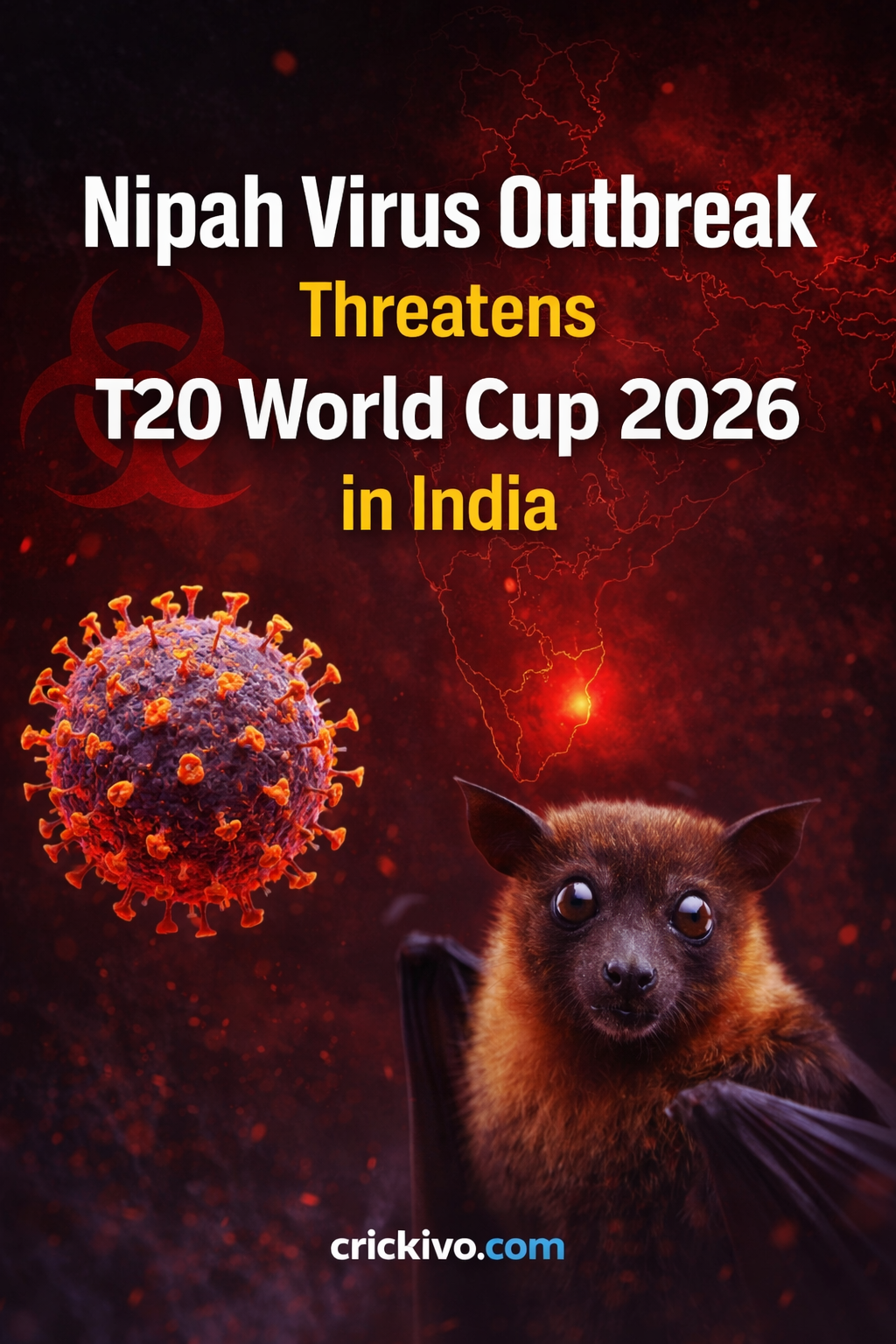
Kolkata/Dubai: A deadly Nipah virus outbreak in India’s West Bengal state has thrown the ICC T20 World Cup 2026 into jeopardy. The tournament begins on February 7. The rapidly spreading infection has triggered emergency health protocols and mass quarantines. Cricket teams, officials, and thousands of fans will soon travel across India for the tournament.
Alarming Outbreak Details
Health authorities have confirmed multiple Nipah virus cases in Kolkata. Officials placed approximately 100 individuals under strict quarantine. The situation escalated with at least five confirmed infections. Several frontline healthcare workers contracted the virus while treating patients.
Medical sources report critical conditions for two nurses in Kolkata hospitals. They are fighting for their lives as the virus attacks their respiratory and neurological systems. The infection of healthcare workers raises particular concern. It suggests active human-to-human transmission within medical facilities.
Understanding the Nipah Threat
The Nipah virus represents one of the most dangerous emerging infectious diseases. Fruit bats originally transmitted the pathogen to humans. The virus carries an exceptionally high case fatality rate. Mortality ranges from 40% to 75% depending on outbreak circumstances and available medical care.
Several factors make Nipah particularly concerning for a major international sporting event:
No Vaccine Available: Scientists have not developed an approved vaccine against Nipah virus infection.
No Specific Treatment: Doctors can only provide supportive care. No antiviral drugs work effectively against the pathogen.
Human Transmission: The virus spreads between people through respiratory droplets and close contact. Crowded sporting venues could amplify transmission.
Severe Symptoms: Infected individuals may develop acute respiratory distress and brain inflammation. Seizures and coma often follow. Many require intensive care.
Long Incubation: The virus incubates for 4-14 days before symptoms appear. Infected individuals could unknowingly travel and spread the disease.
Tournament Timing Raises Concerns
The outbreak timing poses major challenges for tournament organizers. The World Cup begins in less than two weeks. Participating nations, broadcast crews, support staff, and cricket fans from around the globe are preparing to travel to India. The competition lasts one month.
Large sporting events create ideal conditions for infectious disease transmission. Dense crowds fill stadiums. Teams share transportation, hotel accommodations, and restaurants. Social gatherings facilitate viral spread. The tournament schedule includes matches across multiple Indian cities. This could expose the virus to wider geographic areas.
Compounding Tournament Controversies
The Nipah outbreak represents the latest crisis surrounding the already controversial T20 World Cup 2026. Disputes and complications have plagued the tournament from the outset.
The ICC recently expelled Bangladesh from the competition. The team refused to play their scheduled group matches in India. They cited security concerns following deteriorating political relations between the neighboring nations. Bangladesh requested alternative neutral venues in Sri Lanka. The ICC rejected this proposal and replaced them with Scotland instead.
The Bangladesh exclusion sparked accusations of double standards. Critics accuse the ICC of inconsistent governance. They point out Pakistan has long received special accommodation under a “hybrid model” arrangement. India refuses to travel to Pakistan for matches. Yet the ICC dismissed Pakistan’s concerns about playing in India.
Pakistan’s Response to Bangladesh Exclusion
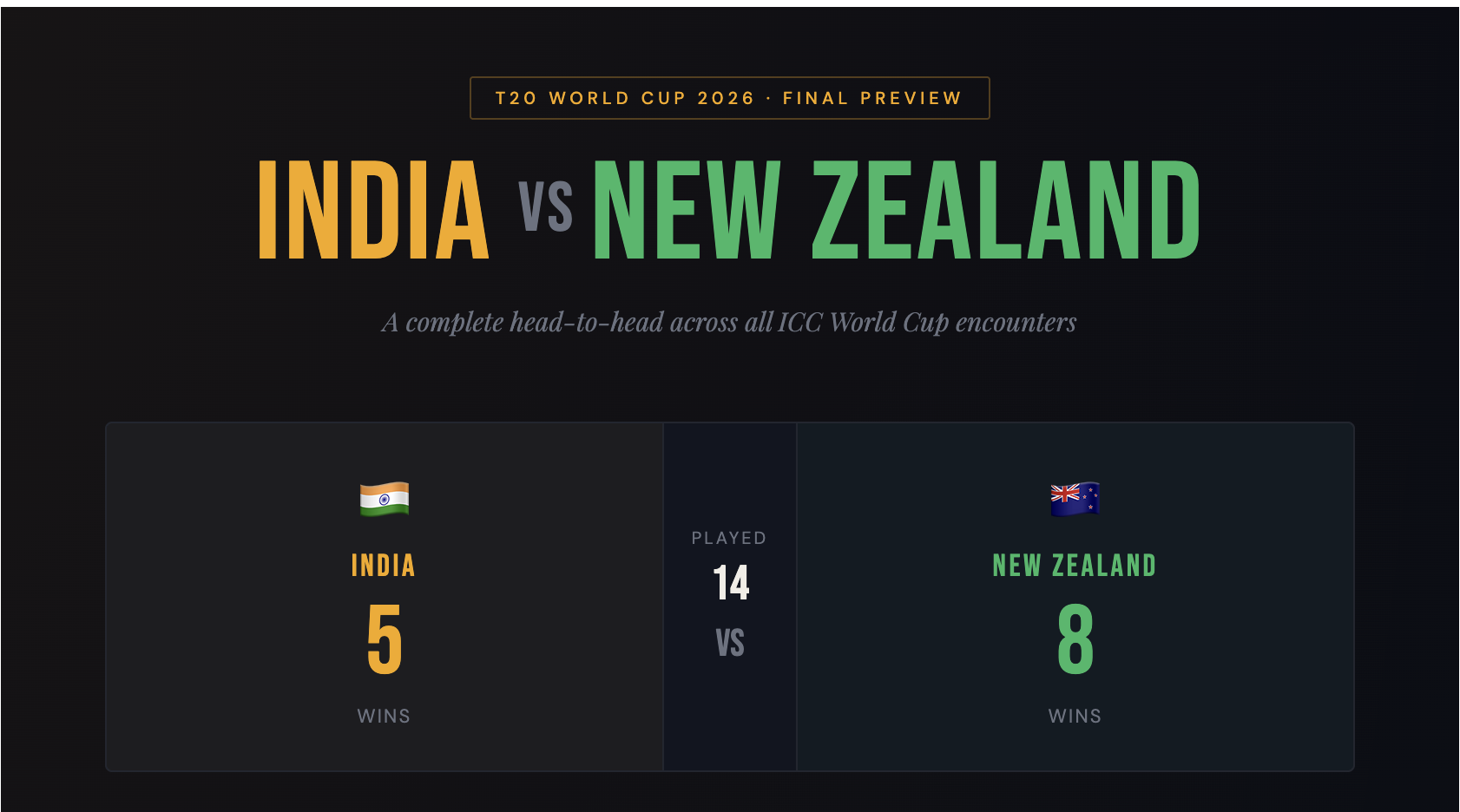
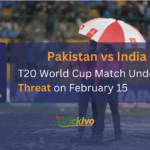
The Pakistan Cricket Board has been evaluating various protest options. Sources say PCB officials are seriously considering boycotting Pakistan’s February 15 fixture against India in Colombo. They view this as a symbolic protest against what they consider unjust treatment of Bangladesh.
ICC tournament regulations impose a two-point penalty for forfeiting a single match. This would not trigger the comprehensive sanctions that follow a complete tournament withdrawal. However, the financial implications for the ICC would be substantial. Pakistan-India cricket matches generate extraordinary commercial value.
The potential cancellation of the February 15 clash would deliver a major blow. Broadcasters, sponsors, and the ICC would lose one of cricket’s most lucrative fixtures. Hundreds of millions of viewers globally watch these matches.
Government and Cricket Board Consultations
PCB leadership met with the national cricket team in Lahore recently. They briefed players on the developing situation. Team members reportedly expressed solidarity with whatever position the cricket board ultimately adopts.
Senior cricket administrators plan to meet with the Prime Minister and Foreign Minister. They will determine Pakistan’s final stance. These high-level consultations reflect the complex diplomatic, political, and sporting dimensions of tournament participation decisions.
Government officials say consultation processes remain ongoing. They will communicate decisions to the public once finalized.
Health vs. Sport Dilemma
The Nipah outbreak introduces an entirely new dimension to the World Cup controversy. Legitimate public health concerns now transcend cricket politics and nationalism.
The outbreak may continue to spread. Additional cases could emerge in other regions of India. International health organizations might recommend travel restrictions. They could advise against non-essential travel to affected areas. Participating nations would then face difficult decisions. They must weigh their players’ health and safety against sporting competition.
Cricket boards have a duty of care. They must protect their players, support staff, and traveling fans. No tournament justifies exposing participants to serious health risks. The commercial importance or competitive prestige doesn’t matter when dealing with a deadly pathogen. Scientists have found no vaccine or treatment.
International Precedents
The COVID-19 pandemic demonstrated important lessons. Major sporting events can and must be postponed, relocated, or cancelled when public health requires. Organizers moved or suspended the Tokyo Olympics, cricket’s Indian Premier League, and numerous other competitions when pandemic conditions warranted.
The ICC now faces a crucial question. Does the Nipah situation reach the threshold requiring similar intervention? COVID-19 became a global pandemic. Nipah outbreaks have historically remained geographically limited. However, the high fatality rate means even a small number of cases among tournament participants could have devastating consequences.
What Happens Next?
Multiple critical questions remain unanswered as the tournament’s scheduled start date approaches:
Will authorities contain the outbreak in time? West Bengal officials might quickly identify all contacts. They could isolate infected individuals and prevent further transmission. The crisis may resolve before teams arrive.
Will other Indian states report cases? Nipah spread beyond West Bengal to tournament host cities would complicate the situation significantly.
How will participating nations respond? Cricket boards must weigh health advice from their own medical experts and government officials when deciding whether to travel.
Will the ICC consider contingency plans? Options might include relocating affected matches or postponing the tournament. The ICC could move the entire event to alternative venues.
How will commercial stakeholders react? Broadcasters, sponsors, and other business partners have significant investments at stake. They may pressure organizers for the tournament to proceed as scheduled.
Tournament Integrity at Stake
The T20 World Cup 2026 faces unprecedented challenges. The Bangladesh exclusion controversy continues. Pakistan threatens a boycott. Now the Nipah virus outbreak adds another crisis. All this happened before a single ball has been bowled.
The situation requires careful balance. The ICC must respect public health imperatives while preserving cricket’s integrity. They must honor commercial commitments while prioritizing human safety. Managing political dimensions while maintaining the sport’s global character presents additional challenges.
The coming days will reveal the ICC’s ability to navigate these competing pressures. The tournament could be remembered more for its controversies than its competition.