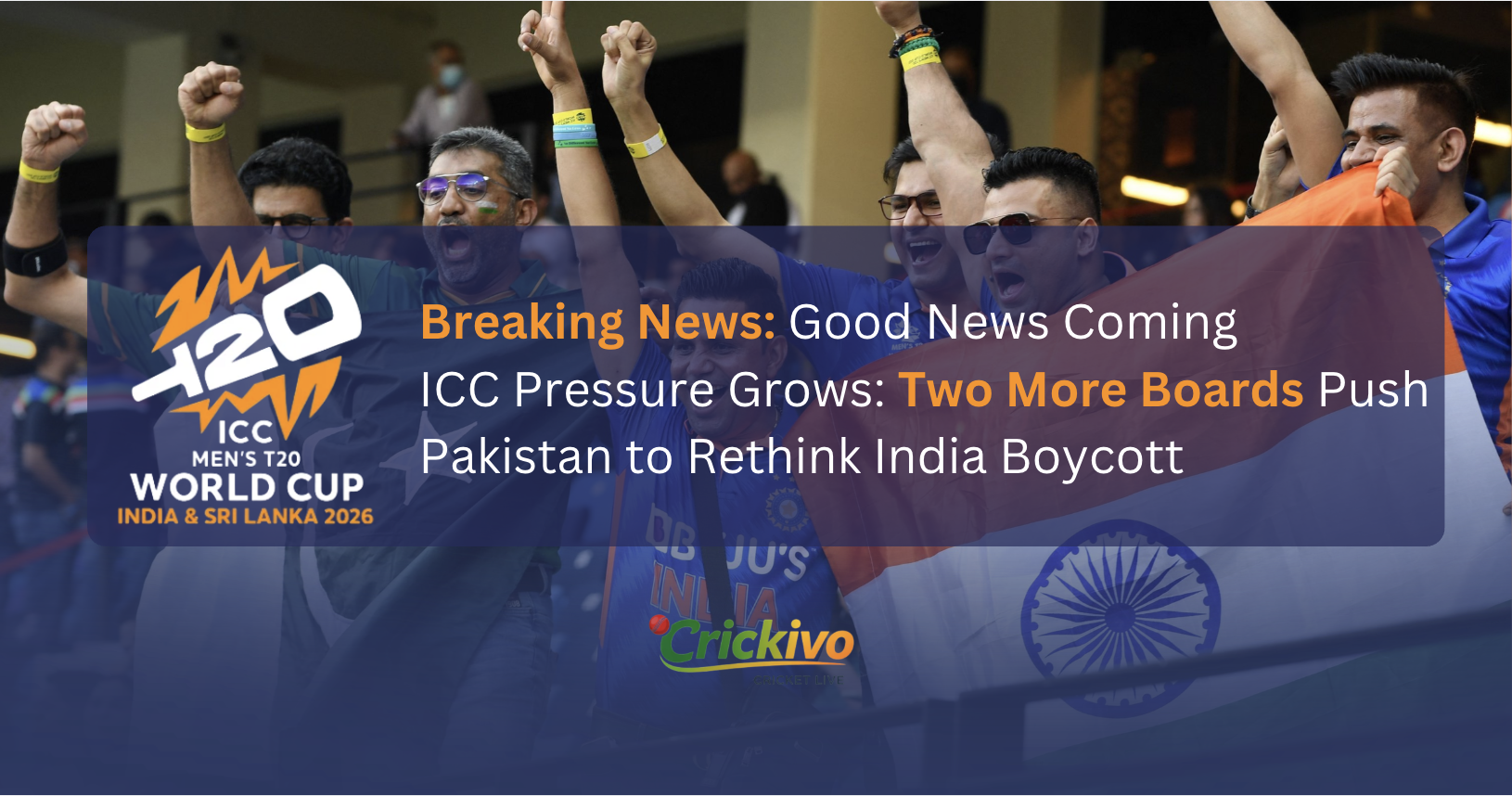




Prime Minister declares Pakistan will not face India on February 15, calls for keeping politics out of cricket
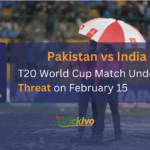
In a significant development that has sent shockwaves through the cricket world, Pakistan’s Prime Minister Shehbaz Sharif confirmed on Wednesday that the national cricket team will boycott their highly anticipated match against arch-rivals India at the ICC Men’s T20 World Cup 2026. This decision marks one of the most controversial moments in recent cricket history and threatens to overshadow the tournament itself.
Prime Minister’s Statement: Politics Should Stay Out of Sports
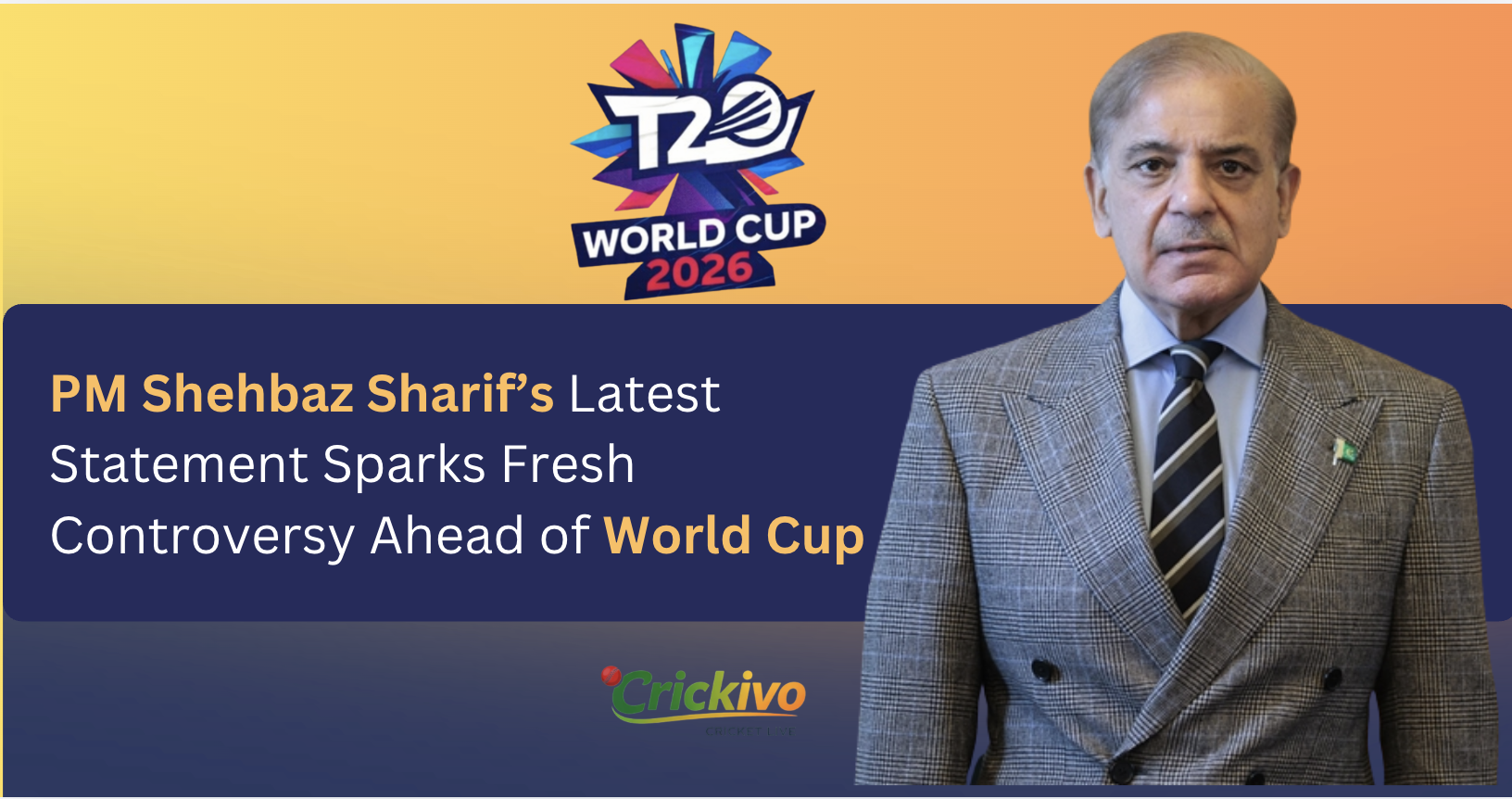
During a federal cabinet meeting on Wednesday, Prime Minister Shehbaz Sharif addressed the nation’s stance on the upcoming World Cup clash. He emphasized that the decision to boycott the February 15 encounter was made after thorough deliberation and careful consideration of all factors involved.
“Sports should remain free from political interference,” the Prime Minister stated, highlighting Pakistan’s principled position on the matter. He stressed that the nation must demonstrate solidarity with Bangladesh during this critical time for international cricket.
Why Pakistan Decided to Boycott the India Match
Pakistan’s decision to skip the India fixture stems from their support for Bangladesh, whose national team was controversially expelled from the T20 World Cup 2026 by the International Cricket Council. The Bangladesh Cricket Board had requested that their matches be relocated to neutral venues outside India, but the ICC rejected this appeal.
Following the rejection, the ICC removed Bangladesh from the tournament entirely and replaced them with Scotland. The cricketing body defended this action by claiming that revising the tournament schedule was not feasible given the tournament’s imminent start date of February 7.
Multiple Factors Behind Pakistan’s Stand
Government sources have revealed that Pakistan’s boycott decision was influenced by several key considerations:
ICC’s Perceived Bias: Pakistani officials believe the International Cricket Council’s handling of the Bangladesh situation demonstrated clear favoritism. The government has instructed the national team not to take the field against India as a form of protest against what they view as unjust treatment.
Leadership Concerns: Sources within Pakistan’s government have criticized ICC Chairman Jay Shah, suggesting that his decisions have effectively transformed the International Cricket Council into an extension of the Board of Control for Cricket in India (BCCI). This has raised serious questions about the independence and neutrality of cricket’s governing body.
Inconsistent Standards: Pakistani officials have accused the ICC of applying different rules and standards to different nations, undermining the fundamental principles of fairness and equality that should govern international cricket.
ICC’s Response to Pakistan’s Boycott Decision
The International Cricket Council responded to Pakistan’s announcement with a carefully worded statement expressing hope that the Pakistan Cricket Board would reconsider its position and work toward a mutually acceptable resolution.
While acknowledging that national governments have the sovereign right to make such decisions, the ICC publicly urged the PCB to reverse course. The cricket governing body argued that Pakistan’s boycott harms the sport and disappoints millions of cricket fans worldwide.
The ICC statement emphasized that refusing to participate “does not serve the broader interests of global cricket or the welfare of fans worldwide, including millions in Pakistan.” The council encouraged Pakistani cricket authorities to pursue an alternative solution that protects the interests of all stakeholders in the game.
Impact on T20 World Cup 2026
This boycott decision has massive implications for the T20 World Cup 2026, which is being co-hosted by India and Sri Lanka from February 7 to March 8. The India-Pakistan match is traditionally one of the most-watched sporting events globally, attracting hundreds of millions of viewers and generating enormous commercial revenue.
Tournament Implications
- Broadcasting Revenue: The India-Pakistan clash typically commands the highest viewership numbers of any World Cup match, and its cancellation will significantly impact broadcasting revenues.
- Fan Disappointment: Cricket enthusiasts worldwide have been eagerly anticipating this encounter, and the boycott will disappoint millions who consider this fixture the highlight of any tournament.
- Group Stage Dynamics: Pakistan’s refusal to play could affect their group standings and potentially their path through the tournament.
- Precedent Setting: This decision could set a dangerous precedent for future international cricket tournaments.
Pakistan Team Currently in Sri Lanka
Despite the controversy surrounding the India match, Pakistan’s national cricket squad has arrived in Colombo, Sri Lanka, and is preparing to participate in the remainder of the T20 World Cup 2026. The team remains committed to competing in the tournament against other nations.
The Pakistan Cricket Board has not yet issued a detailed official statement about how they plan to navigate the situation or whether they are engaged in any behind-the-scenes negotiations with the ICC.
International Reaction and Backchannel Talks
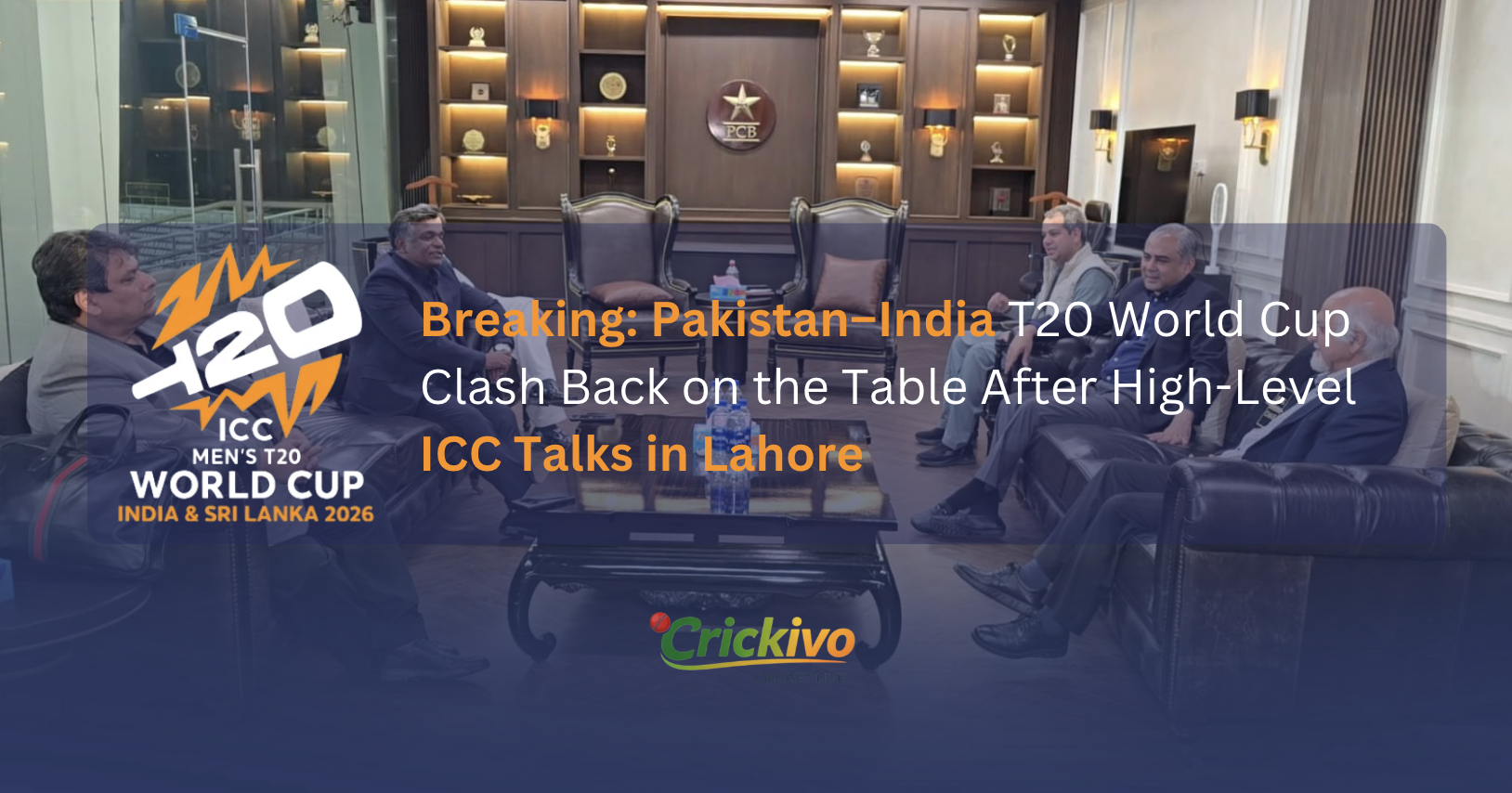
According to reports, the ICC has initiated backchannel discussions to find a diplomatic solution to this crisis. Cricket boards from various nations are reportedly concerned about the precedent this situation sets and its potential impact on future tournaments.
Former cricketers and commentators have expressed mixed reactions, with some supporting Pakistan’s principled stand while others worry about the damage to cricket’s global appeal and unity.
What This Means for Cricket Fans
For cricket fans worldwide, this development represents a disappointing moment. The India-Pakistan rivalry is one of sport’s greatest spectacles, transcending cricket itself to become a cultural phenomenon. The prospect of missing this encounter at a World Cup has left fans on both sides heartbroken.
Key Questions Moving Forward
- Will Pakistan and the ICC reach a compromise before February 15?
- How will this affect Pakistan’s tournament participation beyond the India match?
- Will other nations take similar stands in solidarity with Bangladesh?
- What long-term impact will this have on ICC governance and decision-making?
The Bangladesh Factor
At the heart of this controversy is Bangladesh’s treatment by the ICC. The Bangladesh Cricket Board’s request to play matches outside India was deemed impractical by the governing body, leading to their complete removal from the tournament rather than accommodation of their concerns.
Many observers have questioned whether the ICC explored all possible alternatives before taking the drastic step of expelling Bangladesh and whether different standards have been applied to different teams in similar situations.
Looking Ahead
As the T20 World Cup 2026 approaches, all eyes will be on whether Pakistan and the ICC can find common ground. The tournament begins on February 7, leaving limited time for negotiations and resolution.
Pakistan’s cricket team remains in Sri Lanka, focused on their preparations while this diplomatic crisis unfolds. The coming days will be crucial in determining whether one of cricket’s greatest rivalries will take place or if principle will prevail over spectacle.
Conclusion
Pakistan’s decision to boycott the India match at T20 World Cup 2026 represents a watershed moment for international cricket. Prime Minister Shehbaz Sharif’s statement that “politics should have no place in sports” underscores the complexity of this situation, where sporting decisions intersect with diplomatic considerations and questions of governance fairness.
Whether this stand leads to meaningful reform in how the ICC operates or simply results in a missed opportunity for cricket fans worldwide remains to be seen. What is certain is that the T20 World Cup 2026 will be remembered as much for what didn’t happen as for what did.