



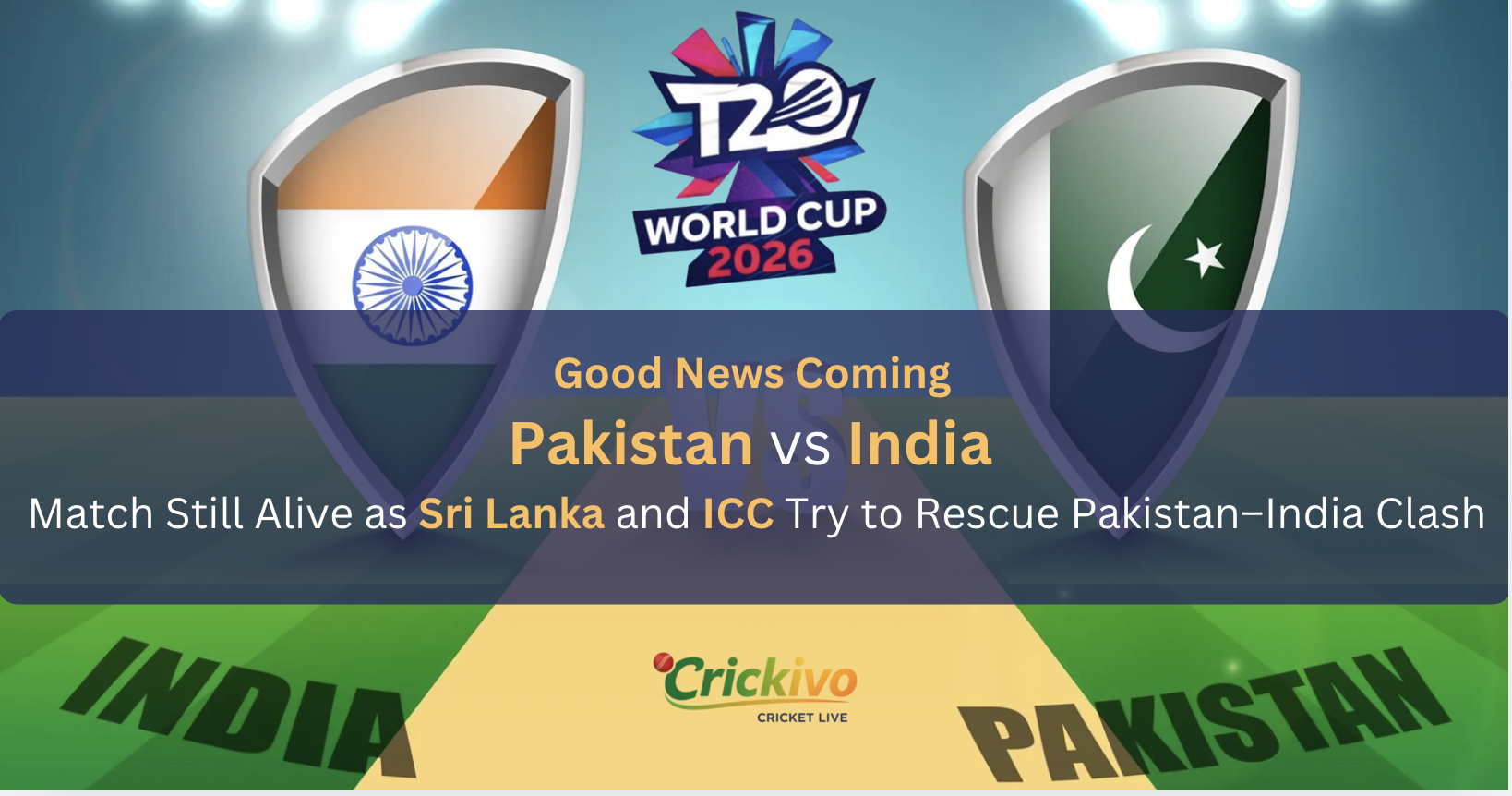
Sri Lankan cricket board writes to PCB requesting reversal of decision while ICC deputy chair mediates to find resolution for February 15 clash in Colombo
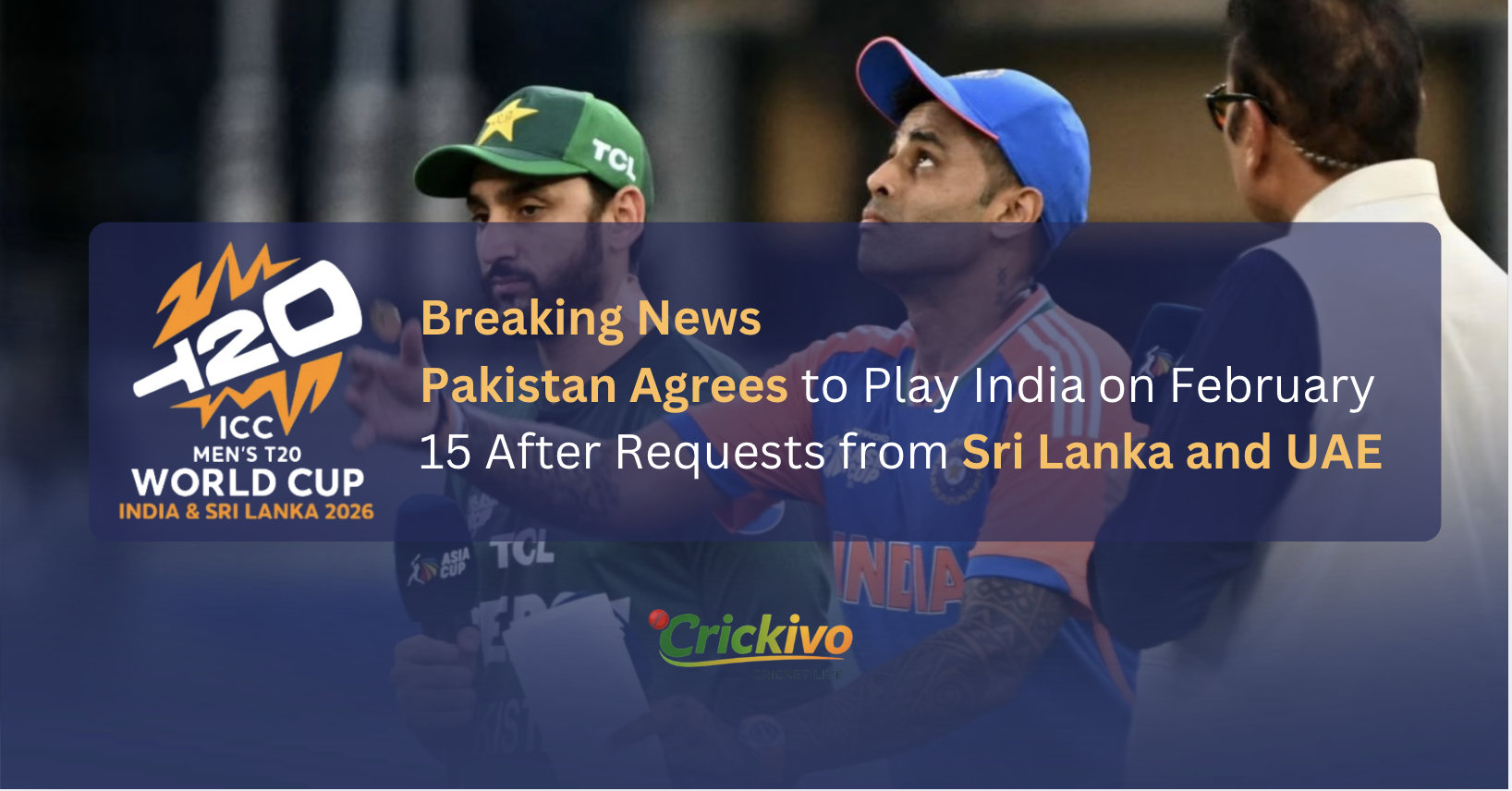
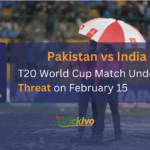
In a dramatic escalation of the T20 World Cup 2026 controversy, Sri Lanka Cricket has formally written to the Pakistan Cricket Board requesting them to reverse their government-mandated decision to boycott the highly anticipated India match scheduled for February 15 in Colombo. Meanwhile, the International Cricket Council has initiated intensive back-channel diplomatic efforts to salvage cricket’s most lucrative fixture.
Sri Lanka’s Formal Appeal to Pakistan
The Sri Lankan cricket board, led by president Shammi Silva, has sent an official letter to the Pakistan Cricket Board expressing concerns about the boycott’s impact on the tournament and urging reconsideration of the decision.
What the Letter Contains
According to sources familiar with the correspondence, the letter to the PCB includes several key points:
Preparatory Efforts: The letter outlines the extensive preparations Sri Lanka has already undertaken to co-host the T20 World Cup, including specific arrangements made for the India-Pakistan fixture at the R. Premadasa Stadium in Colombo.
Historical Relationship: Shammi Silva’s letter emphasizes the traditionally close relationship between Sri Lankan and Pakistani cricket, highlighting decades of cooperation and mutual support between the two cricket boards.
Tournament Impact: The communication details how the boycott affects not just the match itself but the overall integrity and commercial success of the tournament that Sri Lanka is co-hosting with India.
Economic Consequences: Given that the India-Pakistan fixture represents the tournament’s most valuable match from a broadcasting and commercial perspective, the letter reportedly addresses the significant financial implications for all stakeholders.
Ticket Demand Highlights Stakes
The demand for tickets to the February 15 India-Pakistan encounter in Colombo far exceeded supply, with reports suggesting the fixture could have sold out the venue multiple times over. This underscores the massive public interest and commercial value at stake.
Sri Lanka stands to benefit significantly from hosting this marquee match, making the potential loss particularly impactful for the island nation’s cricket economy.
ICC Launches Diplomatic Back-Channel Talks
While Sri Lanka makes its direct appeal, the International Cricket Council has deployed its deputy chair, Imran Khwaja, to lead intensive behind-the-scenes negotiations aimed at finding a resolution that satisfies all parties.
The Mediators
Imran Khwaja (ICC Deputy Chair): Based in Singapore, Khwaja has emerged as the primary mediator in this crisis. He has previously stepped in to resolve disputes involving the PCB, BCCI (Board of Control for Cricket in India), and the ICC, making him the natural choice for this delicate diplomatic mission.
Mubashir Usmani (Emirates Cricket Board): Also serving on the ICC Board, Usmani has been instrumental in facilitating communications between various stakeholders. His involvement brings additional Gulf region perspective to the negotiations.
Who They’re Talking To
The back-channel discussions involve:
PCB Chairman Mohsin Naqvi: The Pakistan Cricket Board chief has been at the center of this controversy, initially raising doubts about Pakistan’s participation before the government’s formal boycott announcement.
Salman Naseer: The Pakistan Super League head and senior advisor to Naqvi has been participating in the high-level discussions, providing additional expertise on the Pakistani perspective.
Timeline of Diplomatic Efforts
The behind-the-scenes negotiations actually began well before the public boycott announcement:
Week Before Announcement: When Naqvi first expressed doubts about Pakistan’s participation and indicated it would depend on government approval, preliminary discussions commenced.
Naqvi’s UAE Visit: During a state visit to the United Arab Emirates last week, Naqvi reportedly sought advice from Emirati officials and met with Imran Khwaja to discuss the situation.
Post-Announcement Talks: Since Pakistan’s formal boycott declaration, discussions have intensified, with Khwaja coordinating from Singapore and maintaining regular contact with Naqvi in Pakistan.
The Bangladesh Factor: Root Cause of the Crisis
Pakistan’s boycott stems directly from their solidarity with Bangladesh, whose dramatic expulsion from the T20 World Cup triggered this cascading crisis.
Bangladesh’s Security Concerns
Bangladesh Cricket Board requested that all their matches be relocated away from India, citing safety concerns amid escalating political tensions between Bangladesh and India. The BCB argued that playing in India posed credible security risks to their players and officials.
ICC’s Rejection
The International Cricket Council rejected Bangladesh’s request, stating there was an “absence of any credible security threat” and that accommodating the venue change was not feasible given the tournament’s imminent start.
The ICC’s decision to completely remove Bangladesh from the tournament rather than seek alternative arrangements became the flashpoint for Pakistan’s subsequent actions.
Pakistan’s Solidarity Stand
Pakistan Prime Minister Shehbaz Sharif defended his government’s boycott decision on Thursday, stating it was made to “support” Bangladesh and demonstrate that “politics should have no place in sports.”
PCB Chairman Mohsin Naqvi sharply criticized the ICC’s handling of Bangladesh’s situation, accusing the governing body of “double standards” and committing an “injustice” to Bangladesh.
The India-Pakistan Cricket History Context
This latest controversy fits into a broader pattern of complications surrounding India-Pakistan cricket fixtures.
Champions Trophy 2023 Precedent
Last year, India refused to travel to Pakistan for the Champions Trophy, citing security concerns. The ICC ultimately agreed to move India’s matches to the United Arab Emirates, allowing the tournament to proceed.
Neutral Venue Agreement
Following the Champions Trophy episode, an informal agreement was reached that all future India-Pakistan matches would be played at neutral venues whenever either nation hosts an ICC event.
This agreement meant Sri Lanka was designated to host the February 15 T20 World Cup group match between the two rivals. However, Pakistan’s current stance threatens to undermine this carefully constructed arrangement.
The Asymmetry Problem
Pakistan officials have pointed to what they perceive as inconsistent treatment:
- India’s refusal to travel to Pakistan was accommodated with venue changes
- Bangladesh’s request for venue changes was rejected outright
- Pakistan now faces potential sanctions for their solidarity boycott
This perceived double standard has become central to PCB’s grievances and complicates resolution efforts.
ICC’s Evolving Response Strategy
The International Cricket Council’s approach to Pakistan’s boycott has evolved significantly over the past week.
Initial Warnings About Sanctions
When Pakistan first indicated potential withdrawal from the entire tournament, the ICC communicated clearly about potential sanctions the team could face. These warnings included:
- Financial penalties
- Forfeiture of group stage points
- Potential impact on future ICC event participation
- Loss of hosting rights for upcoming tournaments
Shift to Engagement
However, PCB’s response made clear that “the issue is not about financial consequences,” signaling that threats of sanctions would not resolve the situation.
Following the formal boycott announcement, the ICC pivoted from warnings to engagement, with communications now focusing on “addressing PCB’s grievances so that the game goes ahead.”
The Forfeit Question
The ICC has confirmed its stance that if Pakistan does not take the field on February 15, India will be awarded the match by forfeit. This would give India two crucial points in Group A while potentially damaging Pakistan’s qualification prospects.
However, ICC officials continue to emphasize their hope for a “mutually acceptable resolution” rather than allowing the match to end in forfeit.
What’s at Stake: The Numbers Behind the Drama
Commercial Impact
The India-Pakistan cricket match is consistently the most-watched sporting event globally outside of the FIFA World Cup and Olympics. The financial implications of its cancellation are staggering:
Broadcasting Revenue: The fixture generates the highest viewership numbers of any cricket match, commanding premium advertising rates across all major markets.
Ticket Sales: With demand far exceeding supply in Colombo, the match represents significant gate revenue for both Sri Lanka Cricket and the ICC.
Sponsorship Value: Tournament sponsors specifically value India-Pakistan encounters, with many commercial deals structured around viewership guarantees for this fixture.
Regional Economy: Hotels, restaurants, and tourism infrastructure in Colombo stand to lose substantial revenue from the thousands of expected visiting fans.
Sporting Consequences
Beyond finances, the boycott carries serious sporting implications:
Group A Standings: If India receives a forfeit victory, they gain two points without playing, significantly easing their path to the Super Eights.
Pakistan’s Qualification: Starting with a forfeit loss puts Pakistan immediately on the back foot in a competitive group that includes the United States, Canada, UAE, and Namibia.
Tournament Integrity: A major match decided by forfeit rather than on-field competition diminishes the tournament’s credibility and excitement.
Precedent Setting
Perhaps most significantly, this situation could establish dangerous precedents:
- Can political considerations override fixture commitments?
- Will other nations cite solidarity with allies to justify boycotts?
- How should the ICC balance security concerns with tournament integrity?
Pakistan’s Position: Not About Money
Sources close to the Pakistan Cricket Board emphasize that the PCB’s stance is principled rather than financial. The board has made clear through back-channel communications that:
Solidarity Commitment: Pakistan views supporting Bangladesh as a matter of principle, not negotiable through financial incentives or sanctions.
Systemic Issues: The PCB wants the ICC to address what it perceives as fundamental governance problems and inconsistent application of rules.
Regional Dynamics: Pakistan believes the ICC’s current structure gives disproportionate influence to certain member boards, particularly the BCCI.
This principled position complicates negotiation efforts, as traditional carrots and sticks may prove ineffective.
Possible Resolution Scenarios
As back-channel talks continue, several potential outcomes have emerged:
Scenario 1: Pakistan Reverses Decision
Pakistan agrees to play the match, possibly in exchange for:
- ICC commitments to review governance structures
- Guarantees about future neutral venue arrangements
- Public acknowledgment of concerns about Bangladesh’s treatment
Scenario 2: Delayed Fixture
The India-Pakistan match is postponed to later in the tournament, allowing more time for diplomatic resolution while the group stage continues.
Scenario 3: Alternative Venue
Though logistically challenging, moving the match to a truly neutral venue (possibly in the UAE) could address Pakistan’s concerns while saving the fixture.
Scenario 4: Forfeit Stands
If no resolution is reached, India receives two points by forfeit, and the tournament proceeds without one of its marquee attractions.
Tournament Begins Saturday Amid Uncertainty
Despite the ongoing controversy, the T20 World Cup 2026 is scheduled to begin on Saturday, February 7, with Pakistan facing the Netherlands in Colombo at 05:30 GMT.
The Irony
Pakistan will travel to Colombo and participate in the tournament opener in the same city where, eight days later, they are scheduled to refuse to play India at the same venue.
Captain Salman Ali Agha’s Comments
Pakistan captain Salman Ali Agha addressed the situation at Thursday’s captains’ press conference, saying: “The India game is not in our control. It’s the government’s decision, and we respect that. We have three other games, and we are very excited about that.”
What Happens Next
With just nine days until the scheduled India-Pakistan fixture, the clock is ticking for all parties:
Immediate: Pakistan begins tournament play against Netherlands on Saturday, demonstrating their commitment to participating despite the boycott.
This Week: Back-channel talks between ICC Deputy Chair Imran Khwaja and PCB officials continue, with increasing urgency as February 15 approaches.
Sri Lanka’s Role: Sri Lankan cricket officials await PCB’s response to their letter while continuing tournament preparations.
ICC Board: The governing body may need to convene an emergency meeting if no resolution emerges in the coming days.
Regional Politics Overshadow Cricket
This crisis highlights how geopolitical tensions increasingly impact international cricket:
India-Bangladesh Relations: Growing political friction between the two nations created the initial security concerns.
Pakistan-Bangladesh Solidarity: Historical and cultural ties between Pakistan and Bangladesh drove the solidarity decision.
Cricket Governance: Questions about whether the ICC operates independently or reflects certain member boards’ interests persist.
Commercial Pressures: The massive commercial value of India-Pakistan cricket creates pressure to accommodate Indian participation while potentially disadvantaging smaller boards.
Conclusion: Cricket at a Crossroads
The Sri Lankan cricket board’s appeal to Pakistan and the ICC’s intensive diplomatic efforts represent cricket’s attempt to resolve its most serious crisis in years. The stakes extend far beyond a single match, touching on fundamental questions about governance, fairness, and the relationship between sport and politics.
As Imran Khwaja shuttles between stakeholders and Shammi Silva’s letter sits on Mohsin Naqvi’s desk, the cricket world holds its breath. Will diplomacy prevail, or will the world’s most-watched cricket rivalry fall victim to geopolitical tensions?
The answer may determine not just the outcome of one match but the future direction of international cricket governance itself. With the tournament beginning Saturday and the deadline of February 15 looming, resolution must come quickly—or cricket faces the unprecedented spectacle of its biggest match being decided by forfeit rather than by bat and ball.